Anion Gap Calculator Using Serum Electrolyte Results
What the Anion Gap Shows
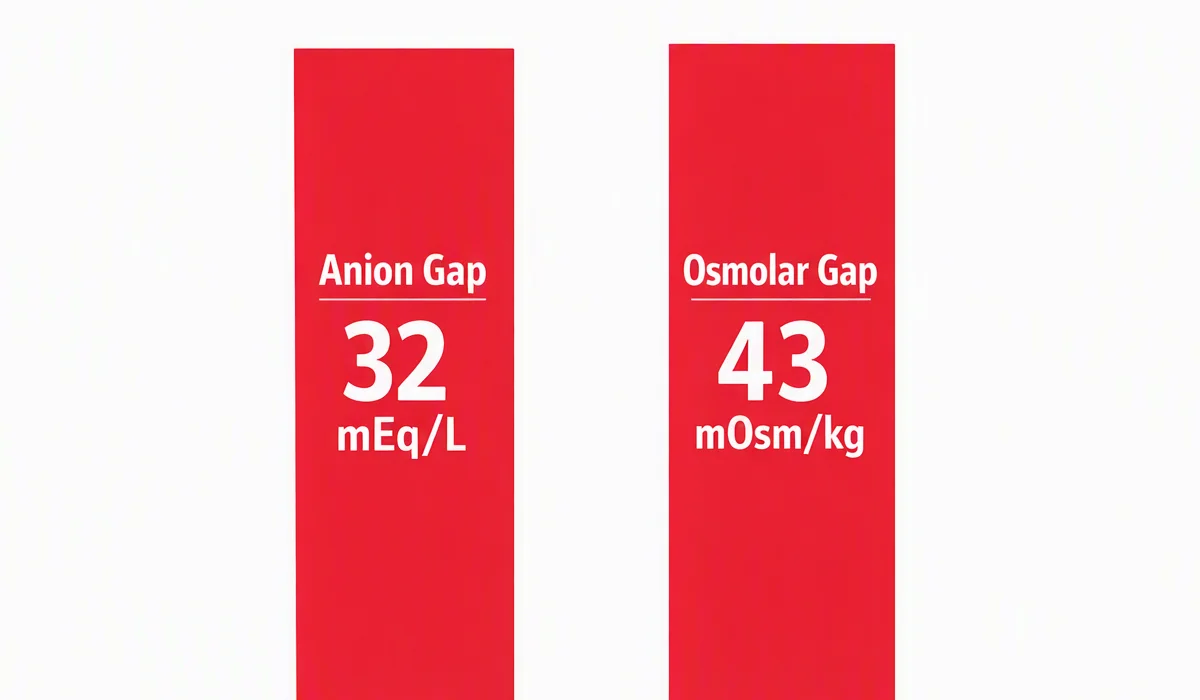
The anion gap is a helpful way to evaluate serum electrolytes and estimate whether the body’s acid-base balance is being influenced by unmeasured ions in the blood. An anion gap calculator helps translate common lab numbers into a practical interpretation of acid-base status, especially when checking serum chemistry results alongside symptoms and other laboratory values.
From a physiology standpoint, blood maintains electroneutrality, meaning the total positive charge must equal the total negative charge. Routine lab tests measure the main cations and anions, but not every charged particle in the plasma. The difference between measured cations and measured anions forms the anion deficit, which is what clinicians refer to as the anion gap. This makes this a important diagnostic tool for identifying a hidden metabolic problem.
Because the anion gap reflects the relationship between ions such as sodium, chloride, and bicarbonate, it can reveal whether there is excess acid in the body, loss of base, or another acid-base disorder. In practice, it is often used as part of lab result analysis to help guide the differential diagnosis when a patient has metabolic acidosis.
A well-built calculator does more than give a number. It supports clinical interpretation by showing whether the value fits the expected pattern or represents an unexpected result. That can aid risk stratification and inform the next step in evaluating a patient’s condition.
How to Calculate the Anion Gap
The traditional anion gap calculator relies on the simple electrolyte equation based on sodium, chloride, and bicarbonate. The most common formula is:
Anion gap = sodium − (chloride + bicarbonate)
This formula is simple, but its significance is broader than the arithmetic suggests. Sodium is the principal measured cation, while chloride and bicarbonate serve as key measured anions. The gap approximates the amount of unmeasured anions present in the plasma. Those unmeasured anions may comprise lactate, ketones, sulfate, phosphate, or other acids depending on the clinical situation.
For example, if serum electrolytes show sodium 140, chloride 104, and bicarbonate 24, the anion gap is 12. That number may remain in the expected reference range for many labs. If bicarbonate is lower and chloride does not rise enough to compensate, the gap may increase, signaling a possible high anion gap metabolic acidosis.
In real-world use, an anion gap calculator is helpful because it minimizes arithmetic errors and enables consistent interpretive guidance. It also makes medical calculator use more streamlined when reviewing multiple patient results or trending values over time.
It is important to remember that the calculation depends on accurate input of the serum electrolyte results. A small transcription error in bicarbonate or chloride can affect the interpretation. That is why careful review of the original laboratory values matters before making conclusions.
Anion Gap Formula Variations
Certain formulas add potassium, while others leave it out. The traditional approach omits potassium because its concentration is relatively low and adding it may not substantially improve routine interpretation. Still, some laboratories or references may use a formula that includes potassium:
Anion gap = sodium + potassium − (chloride + bicarbonate)
Since potassium is typically minor relative to sodium, the difference may be modest, but it can matter when comparing results across different systems or when following a specific institutional method. This is one reason the exact formula used by the calculator should always be clear.
Another important variation is the corrected anion gap, which adjusts for albumin. Albumin is a negatively charged protein and is one of the major unmeasured anions in plasma. If albumin is reduced, the anion gap may appear falsely normal even when an acid load is present. In that case, an albumin-based correction can uncover the true corrected value.
A typical approach adds a correction factor for each gram per deciliter that albumin falls below normal. Although exact formulas can vary, the concept is the same: low albumin lowers the measured anion gap, so the corrected anion gap helps prevent underrecognition of a clinically important acid disturbance. This is especially useful in patients with a suspected acid-base disorder or an unexpected laboratory pattern.
Choosing a calculator with albumin correction strengthens clinical interpretation by accounting for a major source of bias in the raw result. It is a practical way to improve the quality of lab result analysis and avoid missing a significant anion deficit.
Standard Anion Gap Range and Analysis
The normal range for the anion gap depends on the laboratory method, analyzer, and whether potassium is included. Numerous modern labs report a range approximately the low teens, but the exact interval should always be interpreted using the local reference values rather than a generic number.
A normal anion gap suggests that the balance between measured cations and measured anions is preserved, but it does not always rule out disease. A normal result may simply mean that no major amount of unmeasured acid is present, or it may reflect a compensated state, a mixed process, or low albumin masking an abnormality. This is why an anion gap calculator should be used as part of a broader review of acid-base state.
A high anion gap usually means there are extra unmeasured acids in the blood. In contrast, a normal result may point toward a different pattern of metabolic acidosis, especially one driven by chloride increase rather than acid accumulation. Recognizing the difference between elevated anion gap metabolic acidosis and normal anion gap metabolic acidosis is a key step in choosing the right differential.
Interpretation should also account for the patient’s overall picture. Symptoms, medication use, renal function, glucose, lactate, ketones, and other serum chemistry markers all influence how meaningful the anion gap truly is. The calculator gives a number, but the number becomes useful only through thoughtful clinical interpretation.
Elevated Causes of Anion Gap
A higher anion gap often indicates presence of acids that are not directly measured in standard electrolyte testing. This pattern is classically associated with high anion gap metabolic acidosis. The main causes include lactic acidosis, ketoacidosis, and renal failure, though other conditions can also contribute.
Lactic acidosis happens when lactate builds up because tissues are not using oxygen effectively or because lactate production exceeds clearance. It may appear in settings of shock, sepsis, severe hypoperfusion, or other stress states. In lab result analysis, a rising anion gap can be an key clue that lactate is contributing to the patient’s metabolic acidosis.
Ketoacidosis is another common cause. It can occur when the body produces excess ketones, often in diabetes, prolonged fasting, or heavy alcohol use. Ketone accumulation adds unmeasured anions to the plasma, increasing the anion gap and lowering bicarbonate. In these cases, the serum electrolyte pattern can shift quickly, so repeat testing may help with risk stratification and monitoring.
Renal failure can also raise the gap because the kidneys are less able to eliminate acids and other anionic waste products. As kidney function worsens, unmeasured acids accumulate and bicarbonate may fall. This pattern often appears in a broader context of abnormal serum chemistry and helps explain why the anion gap remains a useful diagnostic tool in nephrology and emergency evaluation.
Although these are the most common causes, the differential diagnosis is broader. A good anion gap calculator helps with pattern recognition, but the final interpretation should include clinical context and confirmatory studies when needed.
Common Causes of a Normal Gap Acid-Base Disturbance
A normal gap metabolic acidosis is often called chloride-associated acidosis because chloride typically rises as bicarbonate falls, keeping the anion gap from increasing. This pattern is very different from high-gap acidosis, and the distinction is crucial for accurate interpretation.
Loose stools is one of the most common causes. When the gastrointestinal tract loses bicarbonate-rich fluid, the body may replace that loss with chloride, resulting in chloride-associated acidosis. The serum electrolytes may therefore show low bicarbonate, higher chloride, and a non-elevated anion gap.
Kidney tubular acidosis is another important cause. In this condition, the kidneys cannot properly handle acid or bicarbonate, leading to a non-high-gap acid-base pattern despite obvious metabolic acidosis. Depending on the subtype, the patient may show different patterns of potassium and urine findings, which can help refine the diagnosis.
Other causes of normal gap acidosis exist, but the key practical point is that a normal anion gap does not mean the patient is fine. It may indicate that the body is losing base rather than accumulating unmeasured acid. That distinction changes the differential diagnosis and may guide further testing.
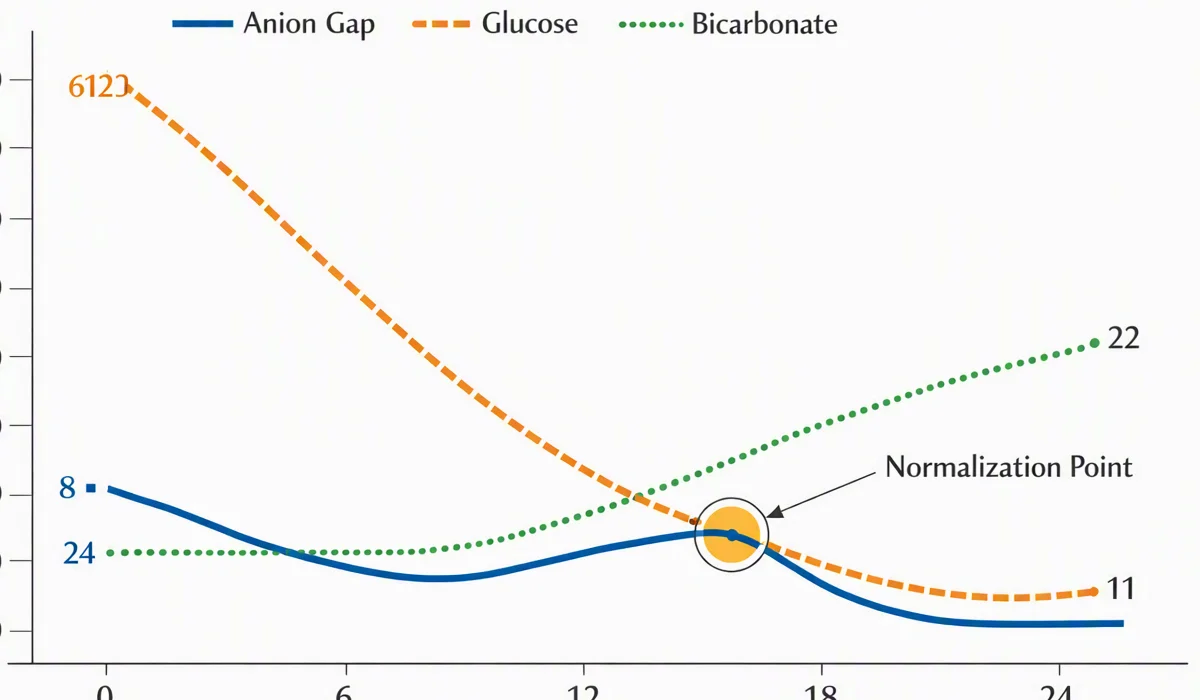
When using an anion gap calculator, it helps to look at bicarbonate and chloride together. A fall in bicarbonate level with a matching rise in chloride is a classic clue. This pattern can prevent clinicians from overlooking normal gap metabolic acidosis that might otherwise be missed.
How to Interpret Serum Electrolyte Findings in Real-World Use
In clinical use, the anion gap is usually obtained from a routine metabolic panel, a CMP, or an serum electrolyte panel. These labs supply the core serum electrolytes needed for calculation, and they are often reviewed together with glucose, kidney function, and sometimes liver-related values.
When reading a basic metabolic panel, the key numbers are sodium, chloride, and bicarbonate. A CMP includes the same electrolyte data but provides additional context that may help with the differential diagnosis. An chemistry panel may be ordered when the focus is specifically on fluid and electrolyte balance. In each case, the anion gap calculator can serve as a rapid medical calculator for sorting results.
A practical workflow is to first check the numbers, then calculate the gap, then compare the result to the lab’s reference range. If the number is elevated, think about causes such as lactic acidosis, ketoacidosis, and kidney failure. If the number is normal but bicarbonate is low, consider intestinal fluid loss, tubular acidosis, or hyperchloremic acidosis.
This systematic process improves reading guidance and helps clinicians avoid premature conclusions. It also supports more reliable medical interpretation when faced with a borderline or surprising result. Because serum electrolytes are often repeated over time, trending the anion gap can also show whether a patient is improving or worsening.
Limitations of Anion Gap Calculation
While helpful, the anion gap has important limitations. One major issue is laboratory variation. Different analyzers, sample handling methods, and reference intervals can cause different reported values. This means the same patient may appear to have slightly different results depending on the laboratory method used.
Another limitation is albumin correction. If albumin is low, the raw anion gap may underestimate the true burden of unmeasured acids. Without correction, a patient with significant disease could appear to have a near-normal value. This is why many clinicians consider the corrected anion gap more informative when albumin is reduced.
The anion gap can also be misleading in a mixed acid-base disorder. For example, a patient may have both a high-gap acidosis and a second process that hides the expected change. In such cases, the number alone may not reveal the full story. Blood gas data, lactate, ketones, kidney testing, and the clinical picture should all be considered together.
Given these constraints, the anion gap should be treated as one piece of the puzzle rather than the final answer. It is best used as a structured diagnostic tool that assists risk stratification and guides the next step in evaluation. Accurate lab result analysis requires both calculation and context.
Nevertheless, when used well, an anion gap calculator can quickly reveal hidden acid-base problems, support earlier recognition of illness, and help distinguish between high anion gap metabolic acidosis and normal anion gap metabolic acidosis.
Common Questions
How is an anion gap calculator used?
An anion gap calculator is used to turn serum electrolytes into a quick estimate of the anion gap. It helps with interpretation of acid-base balance, especially when evaluating metabolic acidosis or an acid-base disorder. It is a https://anion-gap-calculation.com/causes/high.html practical diagnostic tool for reviewing serum chemistry and guiding further lab result analysis.
How do I calculate anion gap from serum electrolyte results?
Follow the standard formula: sodium − (chloride + bicarbonate). Certain formulas also include potassium. A calculator can reduce arithmetic errors and make it easier to compare the result with the local reference range. If albumin is low, consider a corrected anion gap for more accurate clinical interpretation.
What is a normal anion gap range?
The reference range depends on the laboratory and the formula used. Many labs report a low-teens range, but the exact normal result should always be judged against the lab’s own interval. A normal anion gap does not exclude illness; it may still be seen with normal anion gap metabolic acidosis or a mixed disorder.
Why is it necessary to correct the anion gap for albumin?
Albumin is a major unmeasured anion, so low albumin can make the raw anion gap look falsely normal. A corrected anion gap helps reveal hidden acids and improves the corrected value used in interpretation. This is especially important when reviewing an unexpected result or assessing a patient with suspected high anion gap metabolic acidosis.
What does it indicate when a high anion gap mean on lab results?
A high anion gap usually means there are extra unmeasured acids in the blood. Common causes include lactic acidosis, ketoacidosis, and renal failure. A high result should prompt thoughtful interpretation of the overall electrolyte pattern, clinical status, and possible differential diagnosis.